
Also, the intolerance could potentially stem from an allergy to ingredients in the alcohol itself, including chemicals, grains, or preservatives. Reactions to alcohol intolerance can include flushed skin, hives, exacerbated asthma, nasal congestion, low blood pressure, nausea, vomiting, and diarrhea. An allergen is an otherwise harmless substance that causes an allergic reaction. Allergic rhinitis, or hay fever, is an allergic response to specific allergens. Pollen is the most common allergen in seasonal allergic rhinitis. These are allergy symptoms that occur with the change of seasons.
What to expect from your doctor
- Alcohol allergy and alcohol intolerance are distinct conditions with different underlying mechanisms.
- The most common signs and symptoms are stuffy nose and skin flushing.
- However, allergies to peanuts, tree nuts, fish, and shellfish are less likely to be outgrown.
- More severe symptoms include swelling of the face, mouth, or tongue; nausea and vomiting; diarrhea; or lightheadedness.
- If you drink a beverage that causes a mild reaction, over-the-counter antihistamines might help relieve symptoms.
When we drink alcohol, an enzyme in our bodies called alcohol dehydrogenase (ADH) breaks it down into a compound called acetaldehyde. Another enzyme, aldehyde dehydrogenase (ALDH), then turns acetaldehyde into non-toxic acetic acid (vinegar). Distilling a drink usually removes any naturally occurring yeast or yeast by-products from the liquid. Because of this, distilled spirits are generally safe for people with yeast allergies.
Can you suddenly develop an alcohol allergy?
The AAAAI recommends starting medications before seasonal allergy attacks. For example, if you’re sensitive to tree pollen in the spring, you may want to start taking antihistamines before an allergic reaction has the chance to occur. Stay indoors during peak pollen hours, and take a shower immediately after being outside. You’ll also rum allergy symptoms want to keep your windows closed during allergy season and avoid line-drying any laundry. Some people can experience severe allergic reactions to an allergen in their shot. Many allergists ask you to wait in the office for 30 to 45 minutes after a shot to ensure that you don’t have an intense or life-threatening response to it.
Are there any non-alcoholic beverages that can cause similar allergic reactions?
Some people experience flushing, headaches, and nausea shortly after drinking alcohol. With an alcohol allergy, a person’s immune system overreacts to alcohol. Alcohol intolerance is a genetic condition where an individual’s digestive system cannot properly break down the substance.
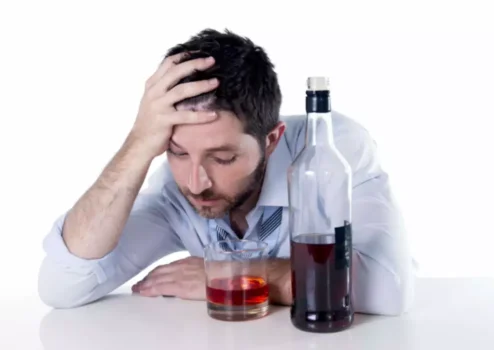
You can also get allergy testing to check whether you have a true allergy to alcohol. Allergy testing can also tell you if you have an allergy to another component of alcoholic beverages like wheat, grapes, or barley. A true allergic reaction happens when your immune system goes into overdrive to attack something it sees as a threat. Allergic reactions can cause hives, facial swelling, nausea, and vomiting. They can also lead to life-threatening reactions like anaphylaxis.
In some cases, they might use an oral challenge test to diagnose an allergy or intolerance. In this procedure, they will ask you to consume a sample of your suspected trigger. In people with alcohol intolerance, a genetic mutation (change) makes ALDH2 less active or inactive. As a result, your body can’t convert acetaldehyde to acetic acid.


However, some people develop allergy-like symptoms, such as an itchy throat and nasal congestion, in response to the sulfites in wine. A skin prick test should take place in a medical setting in case of a severe allergic reaction. The healthcare professional uses a lancet to pierce a person’s skin and apply a small amount of the suspected allergen to see if it causes a reaction. However, standardized skin testing using different types of alcohol is not currently available. The immune system overreacts to this exposure in the body, treating alcohol as a threat.
Difference Between an Intolerance and an Allergy
If you’re looking for an allergy clinic in Robbinsville, NJ, we serve the areas of Hamilton, Florence, Georgetown, Bordentown, or Allentown. Penn Medicine Becker ENT & Allergy offers comprehensive allergy services and can help you manage your late-onset alcohol allergy efficiently. Practicing moderation and being aware of any adverse reactions to alcohol can help individuals make informed choices about their alcohol consumption and overall well-being. The drug ipratropium bromide (Atrovent) can help with a runny nose.
Diagnosis & Treatment for an Alcohol Allergy
- There is no way to know if a reaction is going to be mild, moderate, or severe.
- Alcohol intolerance occurs when your body doesn’t have the proper enzymes to break down (metabolize) the toxins in alcohol.
- In rare cases, pain after drinking alcohol might be a sign that you have Hodgkin’s lymphoma.
- Those with an intolerance to wine may react to certain ingredients found in wine, including histamines, sulfites, and tannins.
- If you have an alcohol allergy, your immune system over-reacts to alcohol.
Recent Comments